
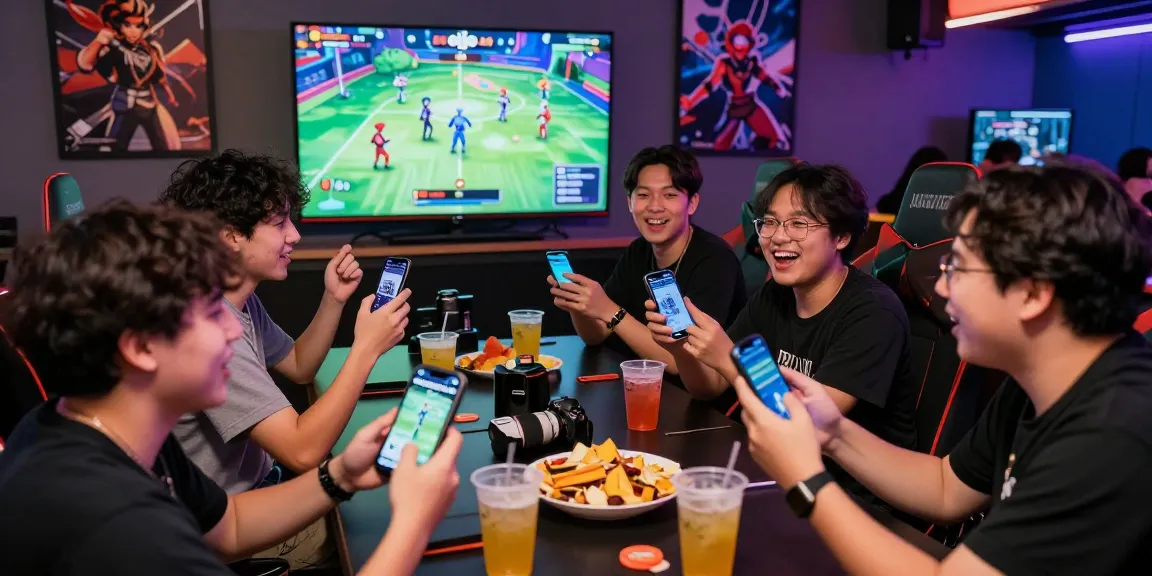
Understanding the Smash or Pass Game Concept
The game of “Smash or Pass” has captured the interest of players across various platforms, merging fun with judgment based on personal preferences and social norms. At its core, the game invites players to evaluate individuals’ attractiveness and desirability, often based on images or profiles presented to them. As you immerse yourself in this captivating experience, smash or pass offers an innovative twist—utilizing 100% AI-generated images to enhance the game’s allure.
History of Smash or Pass
The origins of the “Smash or Pass” game are somewhat nebulous, but it is widely believed to have gained traction alongside the rise of social media and dating apps in the early 2010s. Initially popularized through various platforms, including YouTube and Reddit, the game allows users to engage in a playful yet revealing manner about their preferences. Over the years, it has evolved from casual social media interactions to structured games, complete with specific rules and community engagement.
Gameplay Rules and Mechanics
The mechanics of “Smash or Pass” are straightforward, making it accessible to a wide audience. Players are presented with an image or profile of an individual and must quickly decide whether they would “smash” (indicating attraction) or “pass” (indicating disinterest). This decision is often accompanied by justifications that tap into societal and cultural standards of beauty, fostering discussion and debate among players. Given the rise of AI-generated images, many platforms, including smash or pass, offer unique content that continuously evolves, enhancing player engagement.
Psychological Insights Behind Player Choices
Choices in “Smash or Pass” are not just based on physical attraction; they reveal deeper psychological insights about participants’ preferences and biases. Factors such as cultural background, past experiences, and social conditioning play significant roles in influencing decisions. Interestingly, research indicates that human perceptions of attractiveness can be swayed by context, making the game’s outcomes fascinating to analyze for sociologists and psychologists alike.
Creating Engaging Content for Smash or Pass
In building engaging content around “Smash or Pass,” it’s essential to consider the visual appeal and relevance of the material presented. The use of AI-generated images brings an innovative edge, allowing for a wide variety of unique and captivating visuals that can intrigue players. Here are some key aspects to keep in mind:
Benefits of Using AI-Generated Images
- Uniqueness: Each AI-generated image is distinct, ensuring players encounter fresh content every time they play.
- Customization: AI can tailor images based on trending styles, social expectations, or even player preferences, enhancing relatability.
- Inclusivity: AI-generated content can represent diverse demographics, appealing to a broader audience.
Best Practices for Content Creation
When developing content for “Smash or Pass,” adhering to best practices is crucial for enhancing user engagement:
- Quality over quantity: Focus on creating a limited number of high-quality images rather than flooding with average ones.
- Integrate user feedback: Create opportunities for players to express their preferences or suggest features that could improve their experience.
- Maintain consistency: Ensure that the tone and style of your content remain uniform across platforms for brand recognition.
Examples of Successful Smash or Pass Campaigns
Several brands and influencers have successfully leveraged the “Smash or Pass” concept to engage their audiences:
- Influencer Campaigns: Collaborating with social media influencers to create themed “Smash or Pass” sessions can yield increased visibility and interaction.
- Interactive Live Streams: Hosting live gameplay sessions where viewers participate in real-time decision-making can foster community engagement and boost viewer retention.
- Seasonal Themes: Tailoring the game to seasonal events—such as Halloween characters or summer flings—can attract new players while keeping the content fresh.
How to Promote Your Smash or Pass Game
Promotion is essential for the success of any game, including “Smash or Pass.” Leveraging various marketing strategies can significantly enhance visibility and user growth. Here’s how to effectively promote:
Utilizing Social Media Strategies
Social media platforms are a powerful tool for marketing “Smash or Pass.” Strategies include:
- Create shareable content: Generate buzz through memes, GIFs, and snippets from gameplay that spark curiosity and encourage sharing.
- Engagement through contests: Hosting contests where users can win prizes for participating in “Smash or Pass” sessions can stimulate interest.
- Collaborate with platforms: Partnering with social media platforms for featured posts or ads can increase visibility.
Influencer Collaborations and Partnerships
Influencers can significantly elevate the profile of your “Smash or Pass” game. Strategies include:
- Content Creation: Collaborate with influencers to create engaging content that showcases gameplay, providing their followers with insights into the fun involved.
- Live Sessions: Influencers hosting live “Smash or Pass” gameplay can offer their audience an interactive experience that drives traffic to your platform.
Effective Targeting of Your Audience
Identifying and understanding your core audience is key to successful marketing efforts for “Smash or Pass.” Consider the following:
- Demographic Research: Analysis of who is most engaged with your content can inform which social media platforms and promotional strategies to prioritize.
- Behavioral Insights: Monitoring how players interact gives insight into refining marketing approaches to better engage users and capture their interests.
Analyzing User Engagement Metrics
Understanding user engagement is critical for the ongoing success of your game. Tracking the right metrics provides insights for optimization:
Key Performance Indicators to Track
Identifying relevant KPIs can help gauge the success of “Smash or Pass.” Key metrics include:
- Player Retention Rate: Monitoring how often players return to the game is vital for assessing engagement levels.
- Session Length: Analyzing how long players spend within the game can inform adjustments to gameplay or content.
- Player Feedback: Regularly soliciting player feedback ensures that you remain attuned to their preferences and issues.
Tools for Measuring User Interaction
Utilizing analytics tools can enhance your understanding of user behavior. Some popular options include:
- Google Analytics: Provides comprehensive insights into user demographics and engagement metrics.
- Heatmapping Software: Tools like Hotjar or Crazy Egg can visualize where users engage the most, allowing for refined content placement.
Adjusting Strategies Based on Data Insights
Data-driven decisions can enhance gameplay and user satisfaction. Regularly review engagement data to:
- Refine Content Offerings: Adjust the types of images or themes presented based on user preferences revealed through data trends.
- Optimize User Experience: Use feedback and engagement metrics to enhance gameplay mechanics and resolve pain points.
Future Trends in Smash or Pass Gaming
As technology continues to evolve, so will the landscape of “Smash or Pass.” Keeping an eye on future trends is vital for staying competitive:
Predictions for Gaming Innovations in 2026
By 2026, we can expect several innovations in the “Smash or Pass” genre:
- Augmented Reality: AR integration could provide immersive gameplay experiences by placing AI-generated characters in users’ real-world environments.
- Advanced AI Capabilities: Enhanced algorithms could generate more relatable and realistic characters, further engaging players.
Emerging Platforms and Technologies
New platforms will emerge, shaping the way players interact with “Smash or Pass.” Anticipating these developments is critical:
- Mobile Optimization: The increasing reliance on mobile devices necessitates mobile-first strategies to reach a broader audience.
- Cross-Platform Play: Allowing users to engage with “Smash or Pass” across various devices can enhance accessibility and user satisfaction.
Community Development and Engagement
Building a community around “Smash or Pass” will be crucial as it grows. Future trends may include:
- Forums and Discussion Groups: Establishing dedicated spaces for players to share experiences, strategies, and preferences can bolster community engagement.
- Gamification Elements: Incorporating rewards and challenges into gameplay can foster ongoing participation and loyalty.