
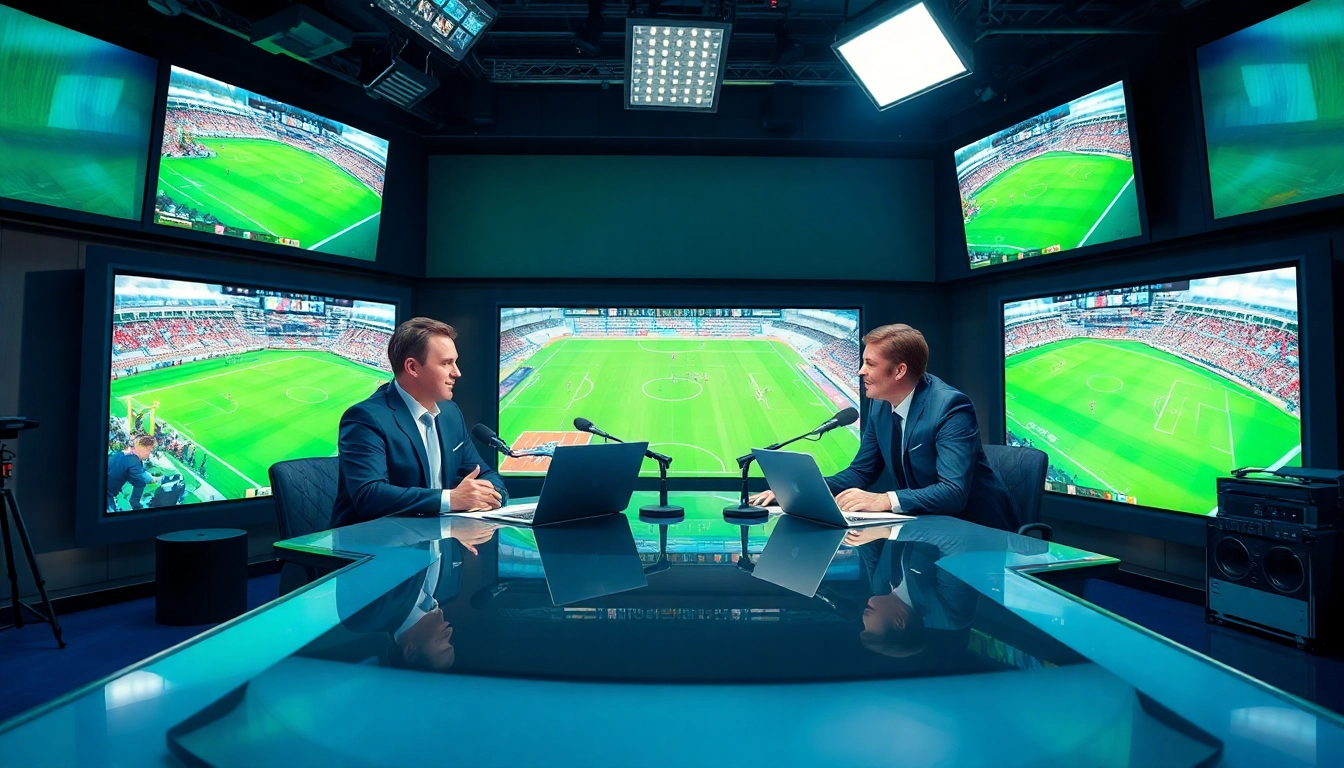
The Evolution of Sports Broadcasting
Sports Broadcasting has transformed significantly since its inception, driven by technological advancements and the evolving preferences of audiences. As fans seek more engagement and immersive experiences, the broadcasting industry has adapted to meet these changing needs. This article explores the evolution of Sports Broadcasting, its fundamental components, challenges, innovative strategies for the future, and how success is measured in this dynamic field. For a deeper understanding of the latest trends and insights into Sports Broadcasting, visit Sports Broadcasting.
History and Milestones in Sports Broadcasting
The roots of Sports Broadcasting can be traced back to the early 20th century when radio began transmitting sports events live. The initial broadcasts were simple play-by-play commentary, but they paved the way for a complex industry. Major milestones include:
- 1939: The first televised sports event, a baseball game, marked the beginning of the visual broadcasting era.
- 1960s: The introduction of color television transformed viewers’ experiences, enabling richer visual storytelling.
- 1980s: Cable television revolutionized sports broadcasting by providing dedicated sports channels, broadening access to diverse sports events.
- 2000s: The rise of the internet led to streaming services, allowing fans to watch events on-demand across various devices.
Key Technological Advances Reshaping the Industry
Technological advancements have significantly impacted how sports are broadcasted. Here are some critical innovations:
- HD and 4K Broadcasting: High-definition video quality has enhanced viewers’ experiences with clearer images and more vibrant colors.
- Live Streaming: Services like Twitch and YouTube have made live streaming accessible, allowing fans to broadcast and watch sports events in real-time.
- Drone and Aerial Cameras: These technologies provide unique angles and perspectives that traditional camera setups cannot offer.
- Augmented Reality (AR) and Virtual Reality (VR): These immersive technologies allow fans to experience games in entirely new ways, enhancing interactivity and engagement.
Impact of Digital Media on Sports Broadcasting
Digital media has reshaped sports broadcasting by offering more platforms for consumption and engagement. Here’s how:
- Social Media: Platforms like Twitter, Instagram, and Facebook enable live interaction, allowing fans to discuss events in real-time.
- Podcasts and Online Analytics: These mediums provide insights and analysis that traditional broadcasts may overlook, catering to niche audiences.
- Personalized Content: Algorithms analyze viewer preferences to recommend tailored content, enhancing the viewing experience.
Understanding the Fundamentals of Sports Broadcasting
To create engaging sports broadcasts, it’s essential to understand the core elements involved in the production process.
Essential Equipment for High-Quality Broadcasts
High-quality sports broadcasts require specific tools and technologies:
- Cameras: High-resolution cameras capture dynamic action and varying angles to enhance the viewing experience.
- Microphones: Quality sound recording equipment ensures clear commentary and minimizes background noise.
- Broadcast Switchers: These are used to switch between different camera feeds, allowing for a seamless viewing experience.
- Graphics Software: Essential for adding scores, statistics, and visual elements to maintain audience engagement.
- Streaming Hardware: Devices that allow seamless live streaming to various platforms, accommodating audience preferences.
Roles and Responsibilities in Sports Broadcasting Teams
Every successful broadcast relies on a skilled team. Here are the key roles:
- On-Camera Talent: Hosts and analysts bring events to life, providing commentary, insights, and engaging the audience.
- Producers: They oversee the entire production, ensuring that scripts, timings, and transitions run smoothly.
- Cameramen: Responsible for capturing the action from various angles, working closely with producers and directors.
- Technical Staff: They manage audio, video, and streaming technologies, ensuring high-quality output throughout the broadcast.
- Editors: These professionals assemble recordings and add graphics, music, and other elements to enhance the final product.
Best Practices for Engaging Audiences
To maintain and grow viewership, broadcasters should adopt best practices:
- Engaging Commentary: Talented commentators who understand the sport can captivate viewers with compelling narratives.
- Interactive Elements: Encourage audience participation through social media, polls, and live chats to create a community atmosphere.
- Storytelling: Highlighting player backgrounds and team histories creates emotional connections that keep audiences invested.
- Consistent Quality: Regularly measure broadcast quality to ensure high standards are maintained consistently.
Challenges Facing Sports Broadcasting Today
Despite its advancements, the Sports Broadcasting industry faces numerous challenges that require strategic responses.
Navigating Rights and Licensing Issues
Rights management is crucial in sports broadcasting, with many sport leagues enforcing strict licensing regulations. Broadcasters must:
- Secure broadcasting rights well in advance to avoid legal disputes.
- Be aware of international rights and licensing for global events, which can lead to complex negotiations.
- Develop partnerships with leagues and clubs for promotional opportunities.
Addressing Audience Fragmentation
With numerous options available for consuming sports content, audience fragmentation is a significant concern. Strategies to manage this include:
- Multi-Platform Presence: Broadcasters should distribute content across traditional and digital platforms to reach various demographics.
- Curated Content: Offering personalized viewing options can attract niche audiences who desire specific content.
- Engaging Marketing Strategies: Utilize targeted advertising to re-engage lapsed viewers and attract new ones.
Ensuring Quality Across Different Platforms
Delivering consistent quality across various platforms can be challenging. Best practices include:
- Investing in high-quality streaming technologies that adapt to varying internet speeds.
- Regularly testing broadcast quality on different devices to ensure a seamless user experience.
- Gathering viewer feedback to address quality issues and continuously improve the offering.
Innovative Strategies for Future Sports Broadcasting
As technology progresses, innovative strategies will be pivotal in shaping the future of Sports Broadcasting.
Utilizing AI and Analytics for Enhanced Viewer Experience
Artificial Intelligence (AI) and analytics can significantly enhance viewer experiences. Approaches include:
- Data Analysis: Utilizing viewer data to analyze preferences and tailor broadcasts accordingly.
- AI Commentary: Employing AI technologies to provide additional insights and analysis during broadcasts.
- Predictive Analytics: Enhancing game coverage by predicting outcomes and team strategies to engage audiences further.
Integrating Cross-Platform Content Delivery
Cross-platform delivery ensures broader audience reach. Strategies include:
- Developing mobile apps that provide access to live broadcasts, highlights, and analyses in one centralized location.
- Creating partnerships with streaming services to bring sports content to wider audiences.
- Ensuring synchronization between various broadcasting mediums for a seamless viewer experience.
Developing Interactive Features for Viewers
Interactive features can create immersive fan experiences. Suggested features include:
- Choose Your Camera Angle: Allowing viewers to select their preferred camera angles during live broadcasts.
- Real-time Statistics: Providing live stats and analytics enhances viewer engagement as they follow the action.
- Fan Polling: Engaging audiences through live polls, enabling them to participate in discussions and predictions.
Measuring the Success of Sports Broadcasting
Measuring success in Sports Broadcasting involves analyzing various performance metrics to fine-tune strategies.
Key Performance Indicators in Broadcast Metrics
KPIs are crucial for understanding broadcast performance. Important metrics include:
- Viewer Ratings: Tracking audience numbers provides insight into popularity and reach.
- Ad Revenue: Analyzing the revenue generated from advertisements can reflect the financial success of broadcasts.
- Social Media Engagement: Monitoring interactions can indicate how well content resonates with audiences.
Understanding Audience Engagement Metrics
Audience engagement metrics reveal how viewers connect with content. Key indicators include:
- View Time: Assessing how long viewers stay engaged with broadcasts can highlight content effectiveness.
- Comments and Shares: Evaluating social media interactions can indicate viewer sentiment and interest in content.
- Subscriber Growth: Tracking increases in subscribers on digital platforms can reflect overall broadcast success and outreach.
Adapting Strategies Based on Viewer Feedback
Utilizing viewer feedback is essential for continuous improvement. Strategies include:
- Conducting surveys and polls to gather viewer insights on preferences and experiences.
- Implementing feedback loops where viewers can suggest potential changes or improvements.
- Staying agile and ready to implement changes based on feedback to enhance the overall viewing experience.
Frequently Asked Questions
What is sports broadcasting?
Sports broadcasting refers to the live transmission of sports events via television, radio, or online platforms, engaging audiences worldwide.
How has technology impacted sports broadcasting?
Technology enhances sports broadcasting through high-definition video, instant replays, and interactive features that improve viewer engagement.
What are the key roles in a sports broadcasting team?
Key roles include hosts, analysts, producers, and technical staff, each contributing to delivering an engaging viewer experience.
How can I measure the success of a sports broadcast?
Success can be measured using KPIs such as viewer ratings, audience engagement, and social media interaction during broadcasts.
What trends are shaping the future of sports broadcasting?
Future trends include increased use of streaming services, interactive content, and advanced analytics to personalize viewer experiences.