
Understanding the Basics of Poker
Poker is not merely a gambling game; it’s a blend of skill, strategy, and psychology that captivates players around the world. Each hand presents a new challenge that tests both mental acuity and emotional resilience. While the thrill of the game can be exhilarating, understanding its foundational elements is essential for anyone looking to enhance their gameplay. For insights into various gaming strategies and bankroll management tips, you can visit https://casinosscope.com/.
What is Poker? An Overview of Popular Variants
At its core, poker is a card game that combines elements of chance and skill, where players wager on the strength of their hands. The game has many variants, each with its unique rules and strategies. Among the most popular are Texas Hold’em, Omaha, Seven-Card Stud, and Razz. Each variant demands a different approach to strategy, making it essential for players to familiarize themselves with the specific mechanics of the game they wish to play.
Key Rules and Terminology Every Player Should Know
Understanding the basic rules and terminology is crucial in poker. Terms like “blinds,” “pot,” “flop,” “turn,” and “river” are fundamental. Hand rankings also vary, with the Royal Flush being the highest and a High Card being the lowest. Knowing these terms can significantly enhance a player’s ability to communicate at the table and make informed decisions during gameplay.
Player Positions and Their Importance in Strategy
Player positions at the poker table—such as early, middle, and late positions—play a critical role in strategy. The position indicates how many players act before you, affecting your decision-making. An early position means more players will act after you, making it necessary to play tighter. Conversely, in a late position, players can see how opponents react, allowing for more strategic maneuvering.
Mastering Poker Strategies
Strategies in poker are not one-size-fits-all; they must be tailored to the individual’s playing style, the specific game variant, and the dynamics of the table. A well-rounded understanding of various strategies can provide a solid edge over less experienced players.
Fundamental Strategies for Winning at Poker
To win consistently at poker, players should adopt several fundamental strategies, including playing tighter in early positions, being aggressive when in a good position, and adjusting to opponents’ tendencies. It’s also crucial to understand and manage your bankroll to withstand variance.
How to Read Opponents and their Betting Patterns
The ability to read opponents is a key skill in poker. Observing betting patterns, player tendencies, and body language can offer valuable insights into your opponents’ hands. Recognizing common betting behaviors, such as over-betting to bluff or calling frequently as a sign of strength, can help to inform your decisions.
Bankroll Management: Setting Limits for Sustainable Play
Effective bankroll management is vital for long-term success in poker. Players should set a strict budget for each session, avoid chasing losses, and ensure they only play at stakes where they can comfortably absorb the swings. A good general rule is to have at least 20-30 buy-ins for cash games and sufficient funds for tournament entries.
The Role of Psychology in Poker
Understanding the psychological aspects of poker can separate successful players from recreational ones. Emotional control and the ability to stay focused are essential for navigating the highs and lows of the game.
Understanding Tilt and How to Avoid It
“Tilt” describes a state of emotional frustration or confusion affecting a player’s decision-making. It’s important to recognize the signs of tilt to avoid making impulsive decisions that lead to larger losses. Establishing mental cues or taking breaks can be effective strategies to mitigate tilt.
The Importance of Patience and Discipline
Patience and discipline are paramount in poker. Making impulsive decisions or attempting to force hands can lead to significant losses. Committing to a patient and disciplined approach can lead to better decision-making and, ultimately, improved results on the felt.
Using Emotional Intelligence to Gain an Edge
Players who understand their emotional triggers and those of their opponents can leverage this insight to gain a significant advantage. High emotional intelligence can help you navigate the intricacies of player interactions, leading to better strategic decisions during play.
Preparing for a Successful Poker Night
Setting the stage for a successful poker night involves careful preparation. Factors such as environment, equipment, and guest dynamics can all impact the overall experience and outcome of the game.
Setting Up the Ideal Game Environment
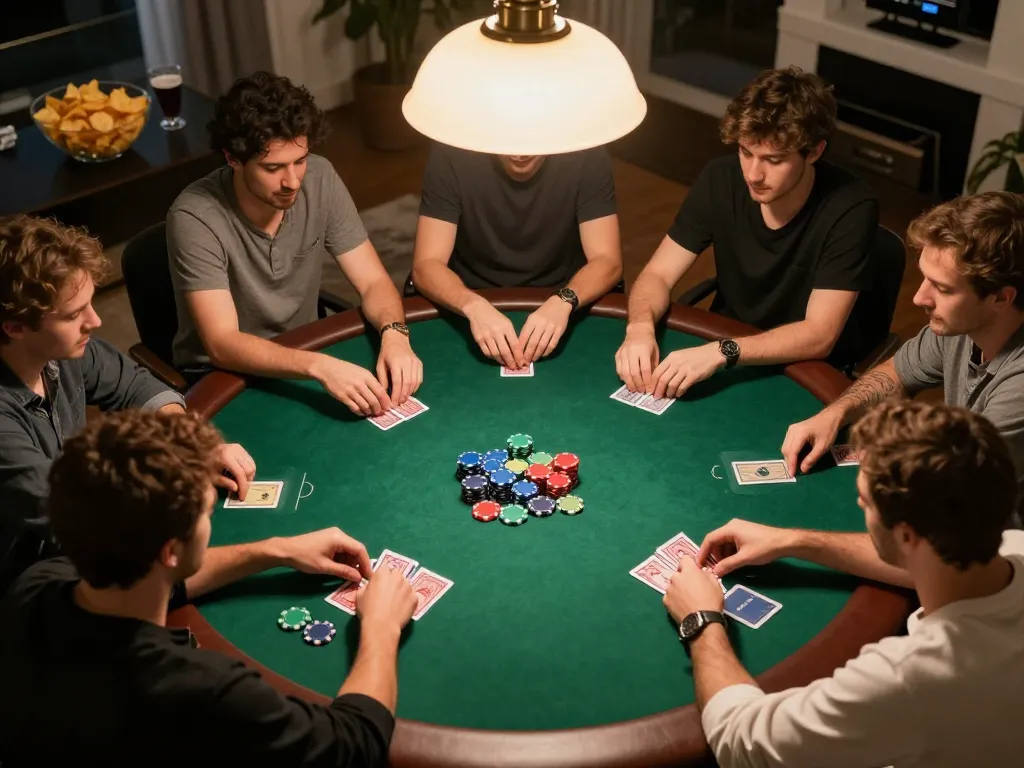
Creating an inviting atmosphere is crucial for a successful poker night. Ensure good lighting, a comfortable seating arrangement, and a well-organized playing space. Reducing distractions will help maintain focus, fostering an engaging environment for gameplay.
Essential Equipment for Home Poker Games
To host a successful home poker game, you’ll need a few essentials: quality playing cards, poker chips, and a felt or table cover to enhance the gaming experience. Ensuring that each guest is familiar with the rules and structure of the game is equally important for a smooth session.
Inviting Friends and Managing Game Dynamics
Choosing the right people to invite can greatly enhance the fun and competitiveness of the game. It’s important to create a balanced dynamic at the table for an enjoyable experience. Consider skill levels, personalities, and whether players can maintain a respectful atmosphere to ensure enjoyable sessions for everyone.
Advanced Poker Techniques
For those looking to elevate their poker game, advanced techniques and strategies can provide a significant edge over opponents. Mastering these concepts requires practice and a keen understanding of the game.
Bluffing: When and How to Execute It Effectively
Bluffing is one of the most nuanced strategies in poker but can be highly effective when executed correctly. The key to successful bluffing is understanding your opponents and the board texture. Bluffing should not be overused but rather employed strategically in situations where it can lead to folding stronger hands.
Identifying and Exploiting Table Dynamics
Every poker table has its unique dynamics shaped by the players present. Recognizing who the aggressive players are, who the passive ones are, and how to navigate between these dynamics can create profitable situations. Adjusting your strategy based on observed table behavior is essential.
Adapting Strategies Based on Opponent Skill Levels
It’s vital to adapt your strategy depending on the skill level of your opponents. Playing against novice players may allow for more aggressive strategies, while more skilled opponents may require a thoughtful and nuanced approach. Recognizing when to shift gears can improve performance and profitability.